
Seasonal guide · Spring · March to May
Spring in the Twin Cities: what to do first, and what to wait on
The ground thaws, the lawn is soggy, and everyone wants to get started. The order matters more than the speed.
Spring in Minnesota is short and it arrives all at once. One week there's snow in the shade, two weeks later the lilacs are out. The temptation is to do everything the first warm weekend. The yard does better when you work in order: let it dry, look for winter damage, then build and plant once the soil has actually warmed up.
The short version
- Stay off the lawn until it's firm underfoot. Wet spring soil compacts easily and stays compacted all year.
- Walk your pavers, walls, and edging as soon as the snow is gone. Freeze and thaw moves things, and small fixes in April stay small.
- Rinse road salt off the lawn edge and the pavers by the driveway. Salt is why that strip along the sidewalk turns brown.
- Wait on mulch until mid-May. Mulching cold soil keeps it cold and slows everything down.
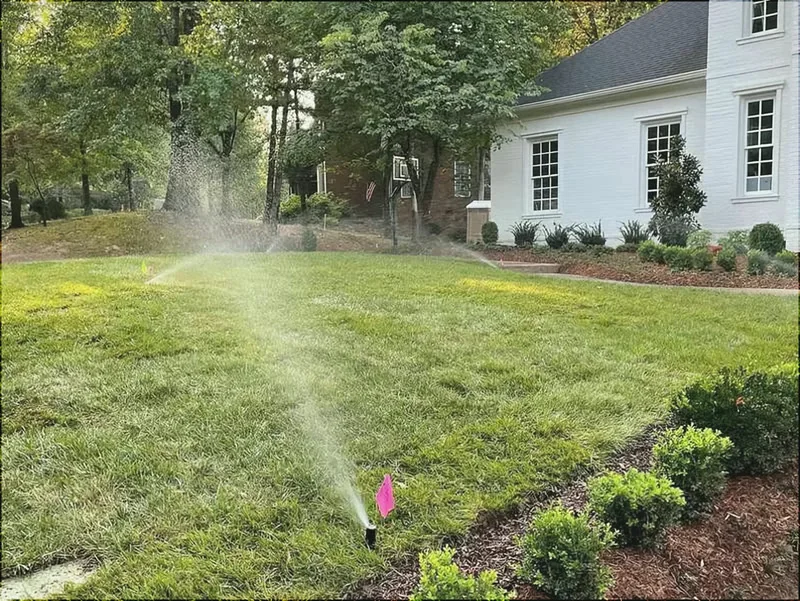
- Turn irrigation on after the last hard freeze, usually late April into early May here. Check every head.
- Book patio and wall projects now. The summer calendar fills by the end of April.
Month by month
Late March
Do the walk-around, not the work. Note low spots where water pools, pavers that have lifted, wall blocks that lean, and bare patches in the lawn. Clean up sticks and matted leaves once the surface is dry enough that your shoes don't sink. Snow mold (the gray, matted patches) usually rakes out and recovers on its own.
April
Lightly rake to lift the grass, then address winter damage. Heaved pavers get lifted, re-based, and reset. Joint sand that washed out gets replaced with polymeric sand once daytime temperatures hold above 50°F and the surface is dry. Edging that shifted gets reset before beds are dressed. If a retaining wall is bulging, this is the month to call, before spring rain loads the soil behind it.
Late April to early May
Irrigation startup. We open the main valve slowly, walk every zone, replace cracked heads, and set the controller for spring (less water than July). Crabgrass pre-emergent goes down about when the lilacs start to bloom, which is when the soil hits about 55°F. Sod can go in once the soil is consistently above 50°F; it needs daily water for the first two to three weeks.
Mid to late May
Now mulch. Soil is warm, weeds are up and easy to pull first, and a fresh 2 to 3 inch layer holds moisture through the summer. Edge the beds for a clean line. Plant shrubs and perennials after the average last frost, around May 10 in the Twin Cities. First fertilizer application goes down around Memorial Day; earlier feeding pushes weak top growth.
Why it matters here
Minnesota soil goes through dozens of freeze and thaw cycles between February and April. Every cycle lifts the ground a little and drops it back. That's what tilts pavers, opens joints, and pushes wall blocks forward. None of it is a sign of bad work. It's physics, and it's why an early spring inspection is worth more than any other single thing you do to a hardscape all year. Catching a lifted paver in April is a one-hour fix. Leaving it until fall means water gets under the base all summer.
What we can do this season
- Paver and wall inspection and repair after winter
- Polymeric sand and edging reset
- Irrigation startup and head replacement
- Sod installation once the soil warms
- Mulch and rock beds, edged clean
- Patio and wall design and booking for summer